Selling This Fall on Chicago’s North Shore or Northern Suburbs? You Haven’t Missed Your Window
Is Fall Still a Good Time to Sell on the North Shore?
If you spent the summer contemplating a move and now feel like the calendar is turning against you, you are not alone. A common assumption among homeowners is that the real estate market grinds to a halt once summer ends. However, local and national data tells a very different story.
As of late August 2026, housing inventory across key North Shore and northern suburban markets, including Highland Park, Deerfield, Northbrook, and Glenview, remains under two months of supply. In Chicagoland, any inventory level under six months is generally considered a seller's market. Active buyers are still making moves, and the data shows that sellers do not need to automatically wait until spring 2027.
 National statistics provide essential context on seasonal buyer demand:
- Strong Fall Activity: According to data from the National Association of Realtors (NAR), nearly one in three existing-home sales occur during the final four months of the year, a trend that has grown annually since 2023.
- Projected Volume: Major forecasts from Fannie Mae, the Mortgage Bankers Association, NAR, and Wells Fargo project 2026 national existing-home sales at roughly 4.16 million units. Based on year-to-date sales, that leaves approximately 1.4 million transactions expected between September and December, translating to nearly 11,800 home closings every day this fall.
- Mortgage Rate Realities: Freddie Mac’s Primary Mortgage Market Survey reported the average 30-year fixed mortgage rate at 6.76% as of September 10, 2026 (up slightly from 6.71% the previous week). While borrowing costs create real friction for some buyers, serious active buyers are driven by life transitions such as job relocations, upsizing, downsizing, purchasing a first home, or coordinating sale-and-buy timelines, which continue regardless of the season.
What’s Actually Happening in Our North Shore Markets
While national trends paint a broad picture, real estate decisions depend on what is happening in your specific neighborhood. Here is where four core North Shore and Northern Suburban communities stood at the end of August 2026:
|
Market |
Months of Supply |
New Listings (YoY Change) |
Median Days on Market |
Median Sale-to-List Ratio |
|
Highland Park |
1.5 (down 6.3%) |
49 (down 7.5%) |
28 days (up YoY) |
100% |
|
Deerfield / Bannockburn / Riverwoods |
1.4 (down 17.6%) |
30 (down 38.8%) |
7 days (flat YoY) |
100% (up 1.4%) |
|
Northbrook |
1.9 (flat YoY) |
82 (up 28.1%) |
13 days (up 30%) |
100% (up 0.6%) |
|
Glenview |
1.4 (down 17.6%) |
77 (up 2.7%) |
6 days (down 33.3%) |
100% (up 0.7%) |
Key Takeaways from the Local Data:
- Tight Inventory Overall: Every community sits well below the two-month supply line, keeping overall inventory lean.
- Full Asking Price Realities: The median sale-to-list price ratio remains at 100% across all four towns, demonstrating that properly priced homes continue to command strong offers.
- Diverging Listing Trends: Highland Park and Deerfield experienced noticeable declines in new listings compared to last year, meaning less competition for sellers currently on the market. Conversely, Northbrook and Glenview saw increases in new inventory, which drew heightened buyer foot traffic into those communities.
Understanding Highland Park’s Jump in Days on Market
A closer look at Highland Park reveals that median Days on Market (DOM) rose to 28 days in August 2026. Looked at in isolation, this might suggest a cooling market. However, examining the 13-month historical trend reveals an established seasonal pattern:
- July 2025: 9 days
- August 2025: 12 days
- September 2025: 30 days
- October 2025: 8 days
- November 2025: 10 days
- December 2025: 18 days
- January 2026: 9 days
- February 2026: 8 days
- March 2026: 6 days
- April 2026: 8 days
- May 2026: 6 days
- June 2026: 7 days
- July 2026: 9 days
- August 2026: 28 days
Last September, median market time similarly jumped to 30 days before rapidly rebounding to single digits in October and staying there through the spring. While past performance does not guarantee future results, history shows that a late-summer bump in DOM is common in Highland Park and does not signal a stalled market.
 Three Recent Local Sales Worth Knowing About
Real closings highlight how active buyers remain across various price ranges and seasons:
- 1145 Melvin Drive, Highland Park: Listed at $825,000 and sold for $925,000 after receiving multiple offers (under contract April 2026, closed June 2026).
- 429 Elm Street, Unit 5J, Deerfield: Listed at $247,000 and closed at $247,500 in May 2026 (under contract February 2026).
- 1520 Rosewood, Deerfield: Listed at $850,000 in August 2025 and closed for $875,000 in September 2025.
These transactions demonstrate that well-positioned homes continue to perform exceptionally well beyond the traditional spring window.
 Should You Sell Now or Wait for Spring 2027?
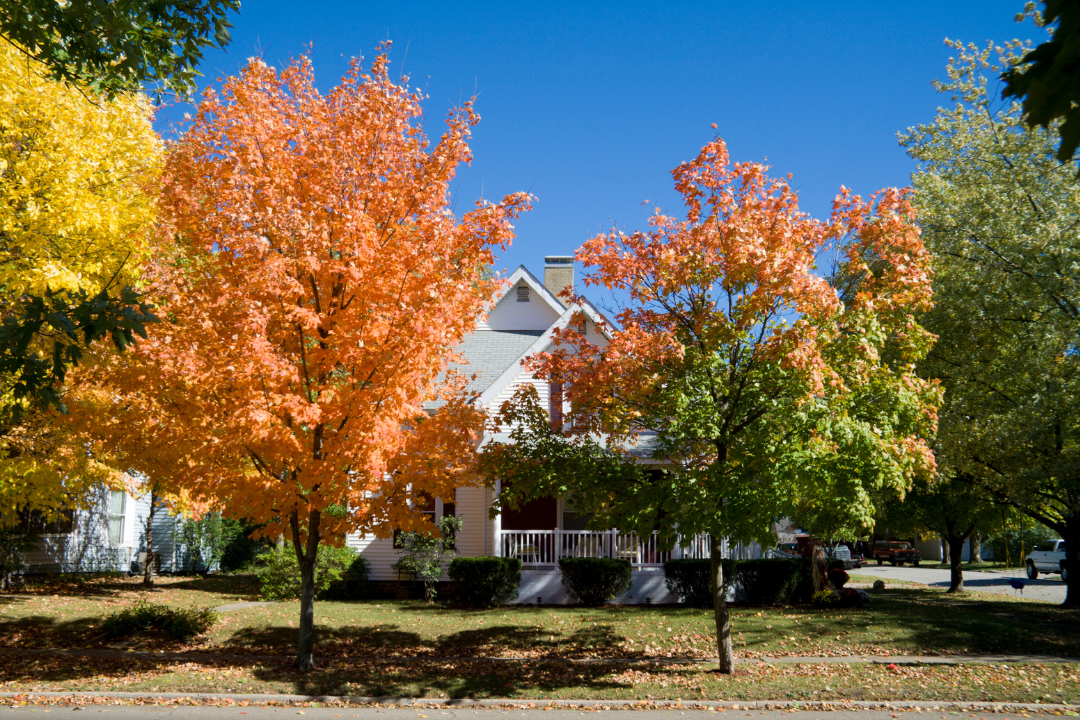
Waiting until spring to list your home does not eliminate market risk; it simply trades a fall market with clear, existing data for a future market filled with unknowns. In the spring, you may face increased inventory and significantly higher seller competition. Selling this fall allows you to capitalize on tight inventory, motivated buyers, and stable price-to-list ratios.
Frequently Asked Questions (FAQ)
Q: Is fall a bad time to sell a home on the North Shore?
A: No. Highland Park, Deerfield, Northbrook, and Glenview all sit below two months of inventory, and median list-to-sale ratios remain at 100%, signaling sustained seller strength.
Q: Why did Highland Park’s days on market jump in August 2026?
A: Highland Park’s median DOM rose to 28 days in August 2026. A near-identical spike occurred in September 2025 (30 days) before dropping back to 8 days in October. It is a late-summer trend worth monitoring rather than a sign of diminishing buyer demand.
Q: Should I wait until spring 2027 to list my home?
A: Not necessarily. Nationally, about a third of all annual home sales happen in the final four months of the year. Postponing your sale means bypassing active fall buyers to compete against a larger pool of inventory in the spring.
Let’s Talk About Your Timing
Every neighborhood and home tells its own story. If you are weighing whether to list your property this fall or wait until spring, let’s connect to analyze current inventory, recent sales, and strategic positioning for your specific home.
Laurie Field
Real Estate Advisor, Engel & Völkers Chicago North Shore
HELPING YOU MOVE FORWARD®
Source: Local MLS market statistics (August 2026). Data deemed reliable but not guaranteed.
Categories
Recent Posts